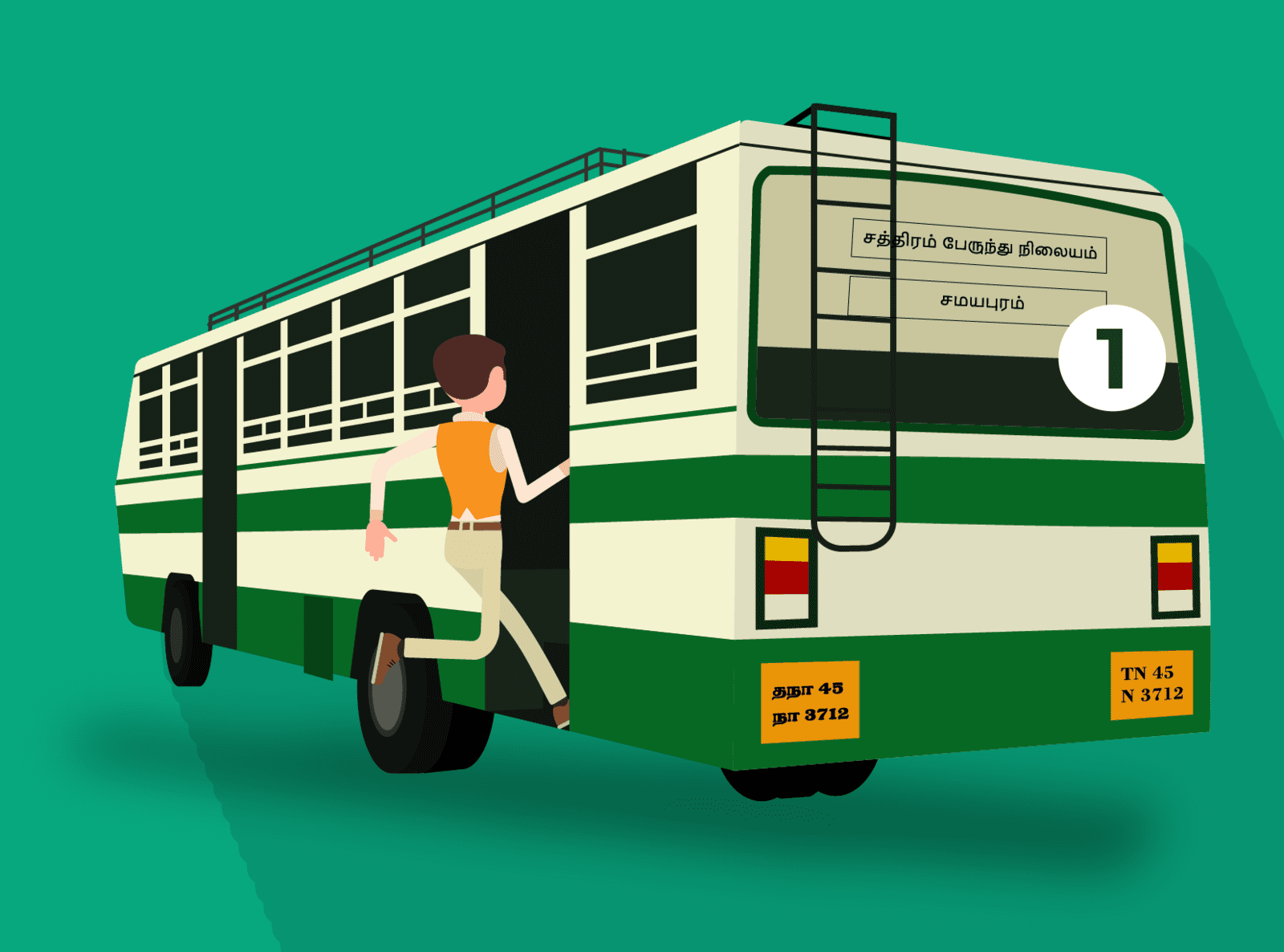
History of Tamilnadu Bus Transport system
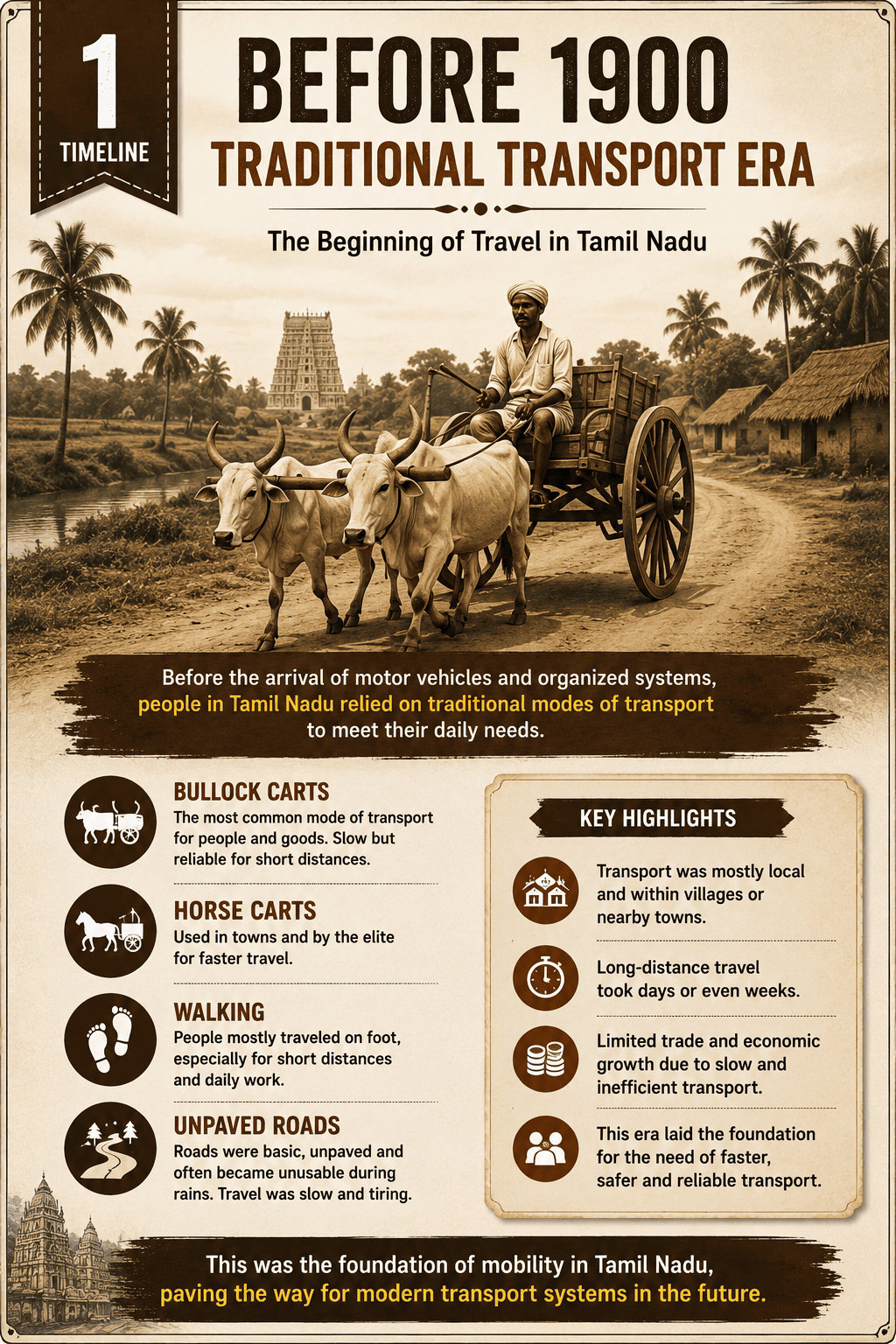
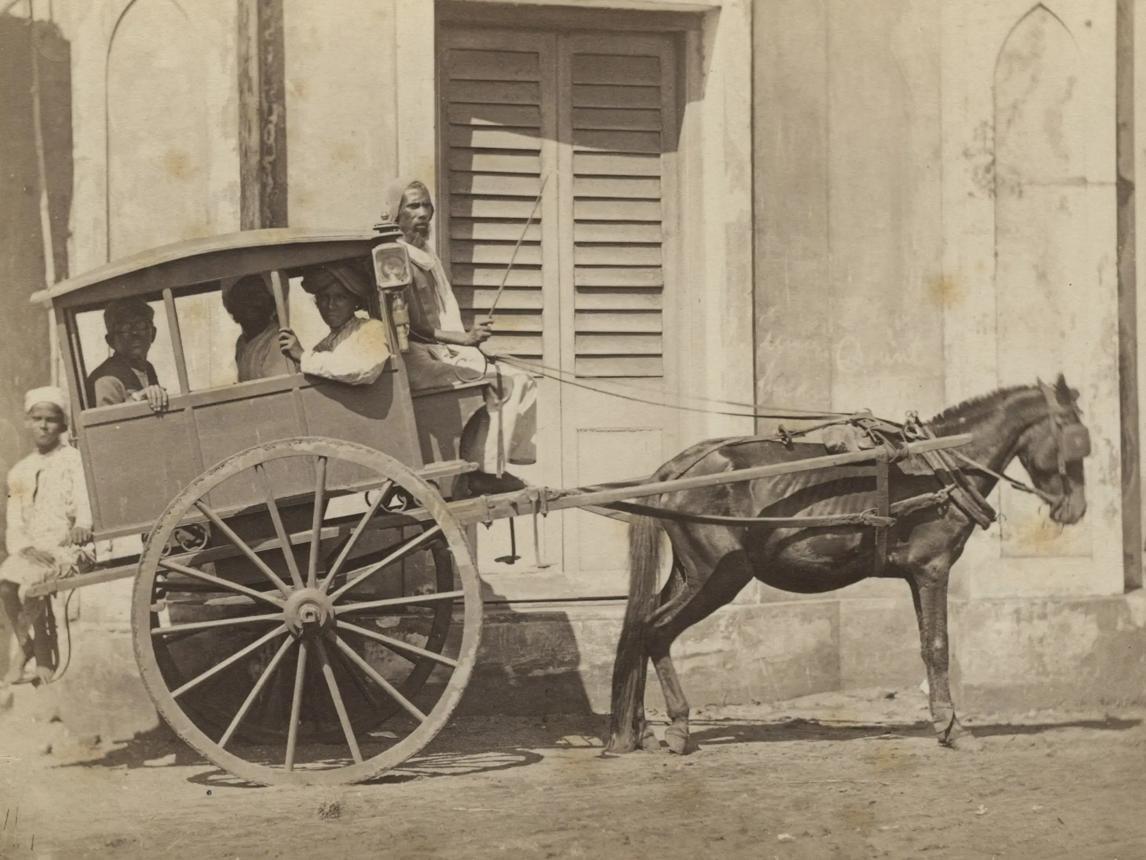
🐂 Before 1900: Traditional Transport Era
Before the introduction of modern vehicles, transportation in Tamil Nadu relied entirely on traditional methods like bullock carts, horse-drawn carriages, and walking. Travel was slow, limited, and mostly confined to nearby villages and towns. Roads were unpaved and often difficult to use, especially during monsoons. Despite these challenges, these modes played a crucial role in daily life and local trade. This era laid the foundation for the future need for faster, safer, and more organized transport systems in the state.
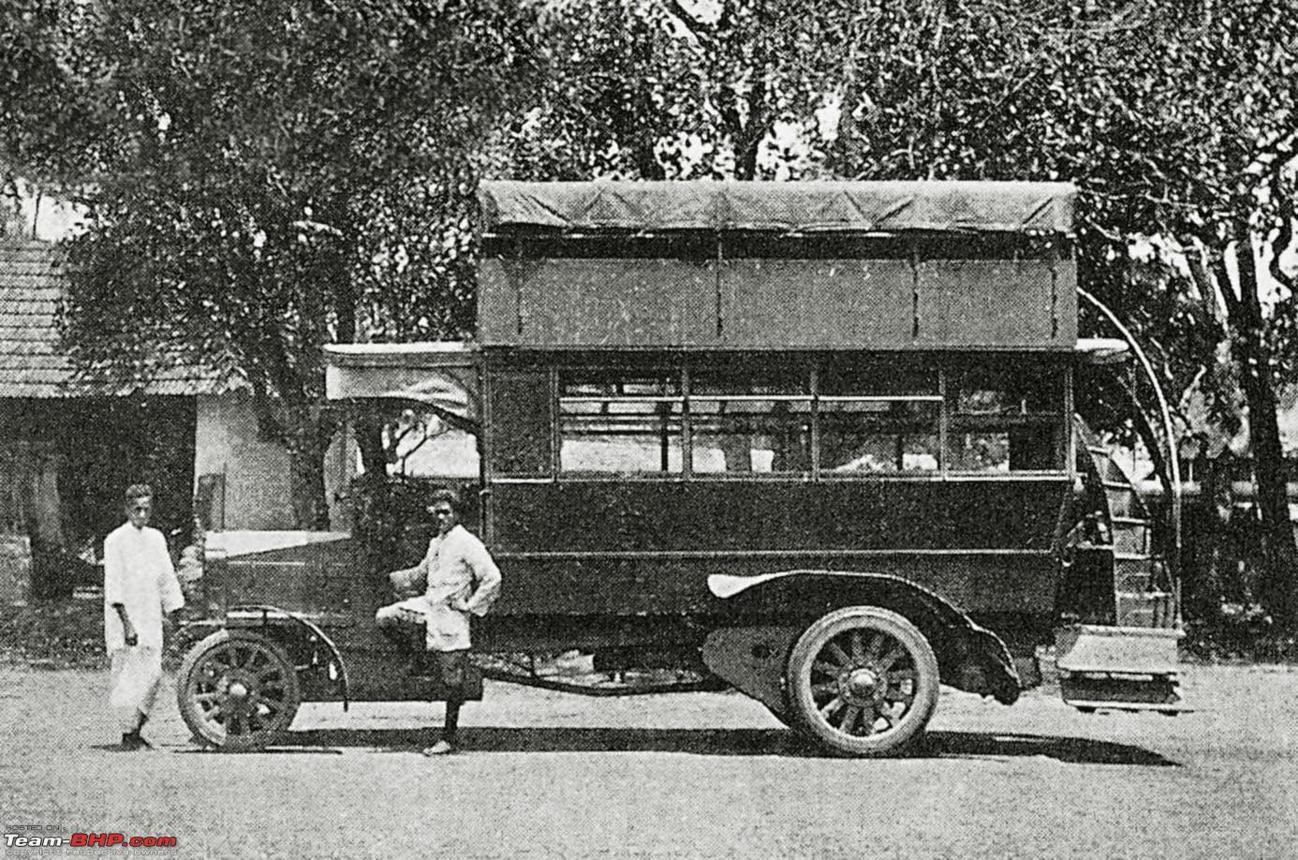
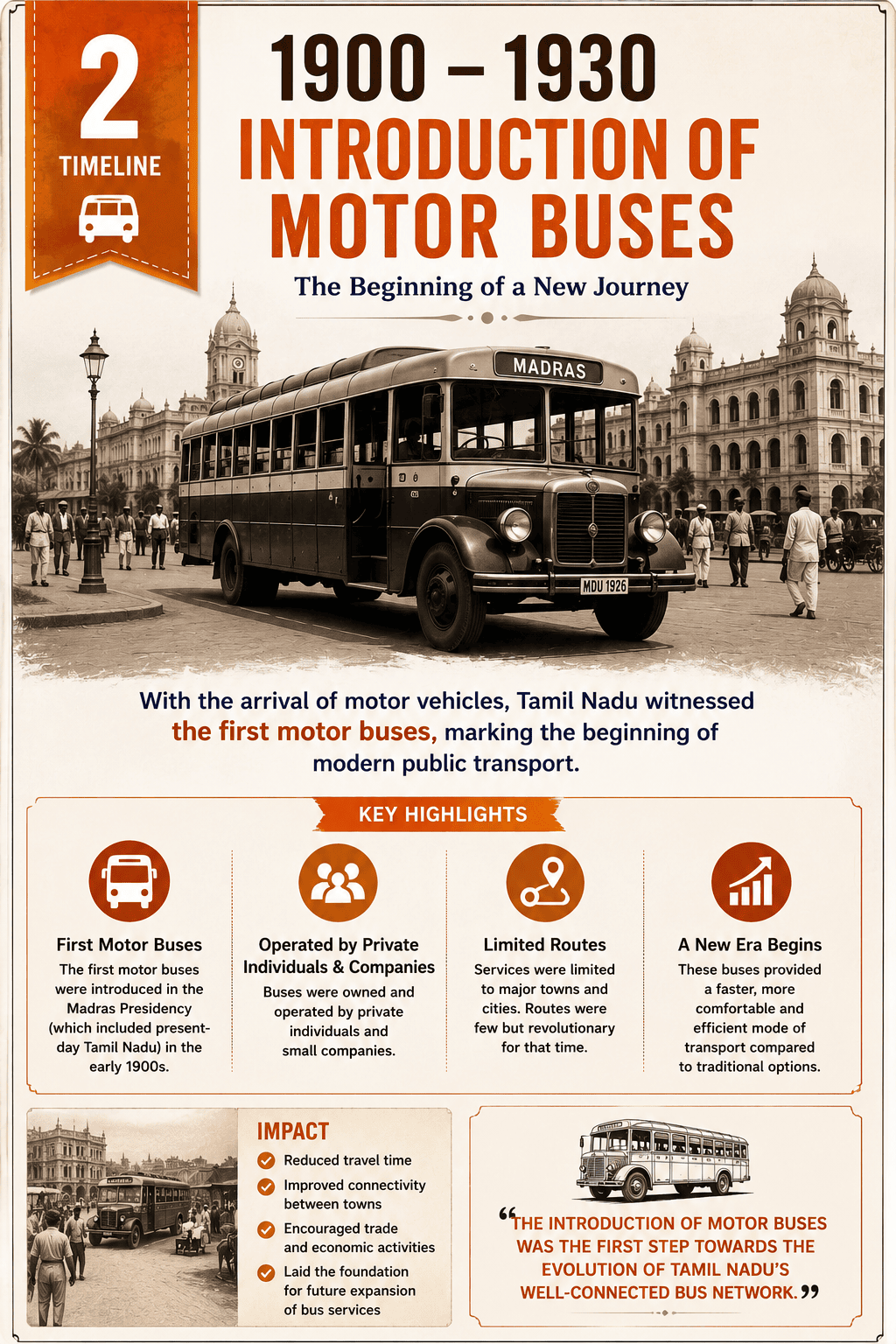
🚌 Birth of Motor Bus Transport in Tamil Nadu (1900–1930)
During the early 1900s, Tamil Nadu witnessed the introduction of its first motor buses, marking a major shift from traditional transport methods. Operated mainly by private individuals and small companies, these buses connected key towns and cities for the first time. Though routes were limited, they significantly reduced travel time and improved accessibility. This period laid the foundation for modern public transport, transforming mobility and opening new opportunities for trade, communication, and regional development across the state.
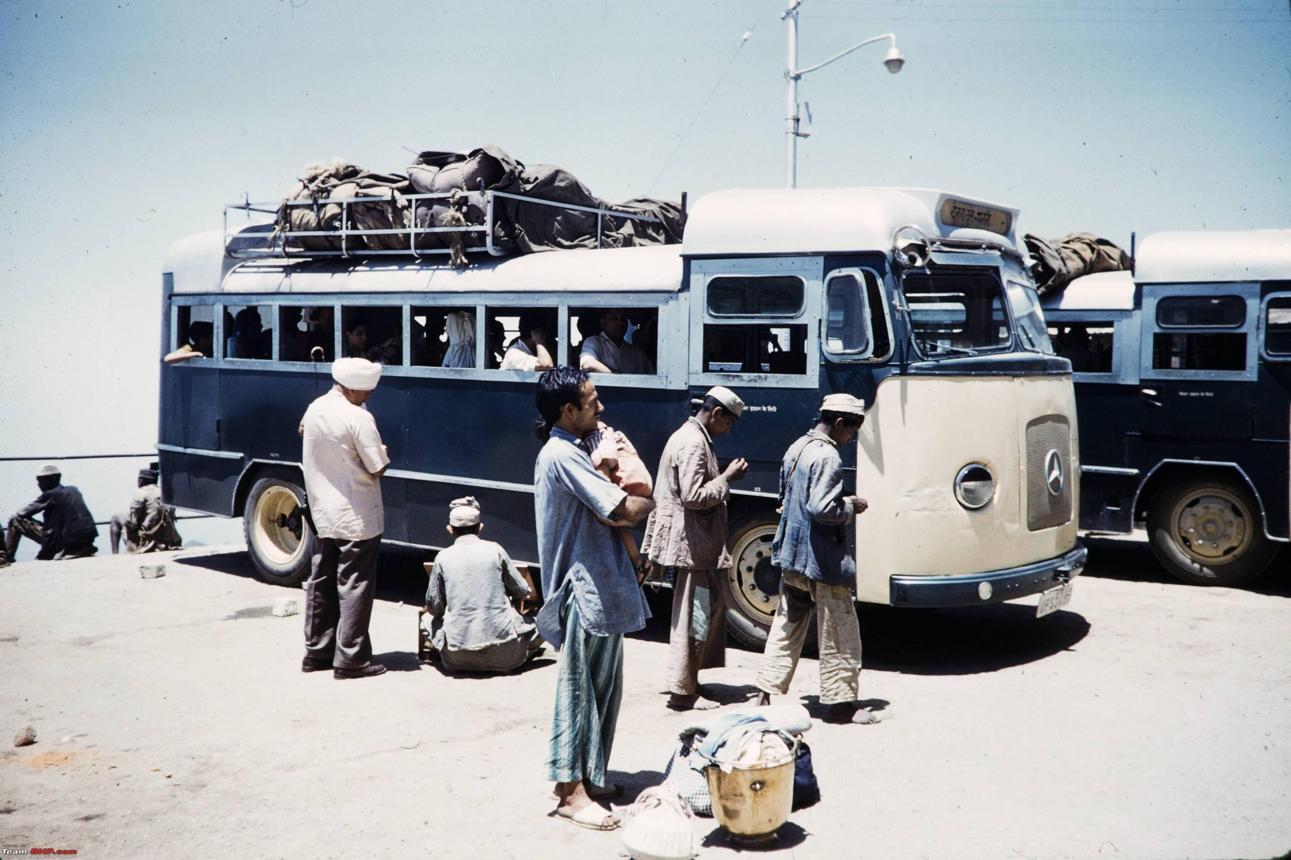
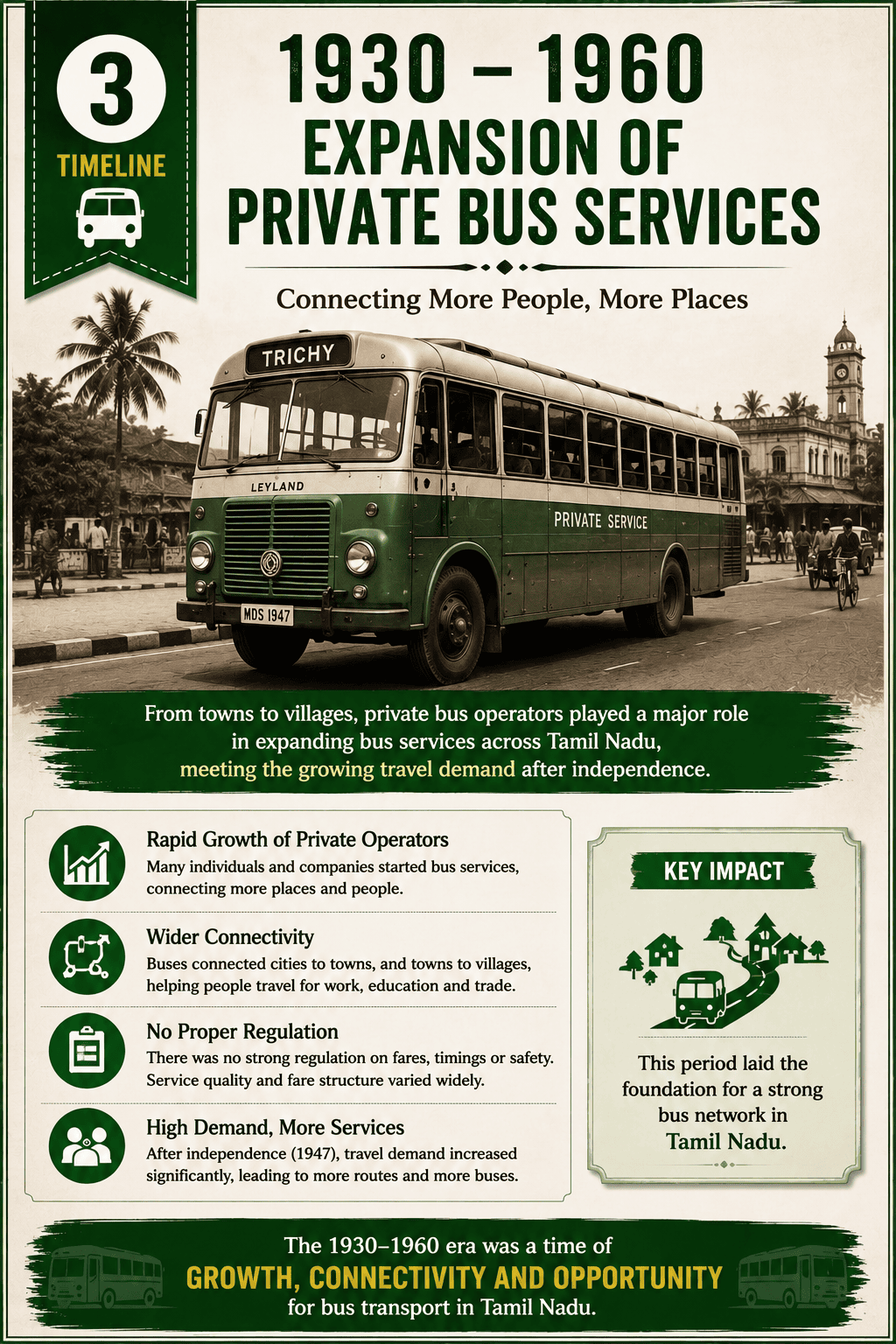
🚌 Rise of Private Bus Networks (1930–1960)
During this period, Tamil Nadu witnessed rapid growth in bus transportation through private operators. Numerous small companies and individuals began running buses connecting cities, towns, and rural areas. This expansion significantly improved mobility and trade, making travel faster and more accessible. However, the lack of regulation led to inconsistent fares, irregular schedules, and varying service quality. Despite these challenges, this era played a crucial role in laying the groundwork for a more structured and government-controlled public transport system in the years that followed.
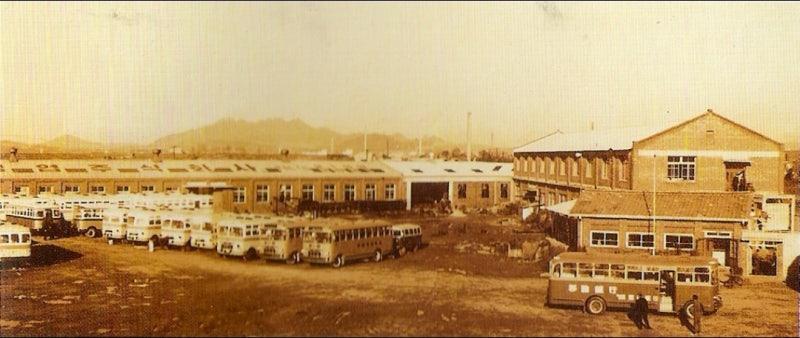
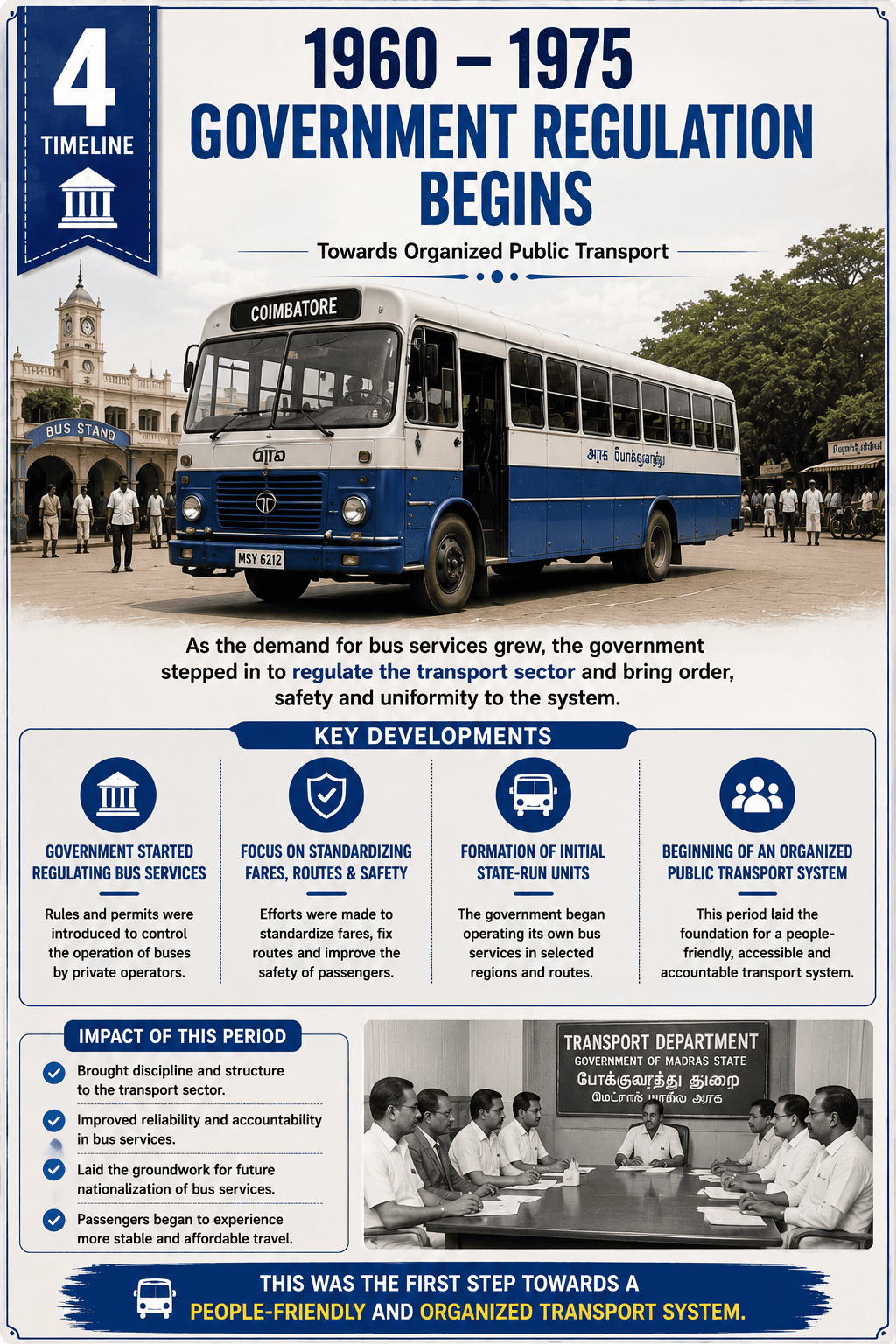
🏛️ Rise of Government-Regulated Bus Transport (1960–1975)
During this period, the Tamil Nadu government began actively regulating private bus services to bring order and reliability to public transport. Standardized fares, improved safety measures, and better route planning were introduced. Initial state-run transport units were formed, laying the groundwork for a more structured system. This phase marked the transition from unorganized private operations to a regulated public transport model, ensuring fair pricing and improved accessibility for passengers across the state.
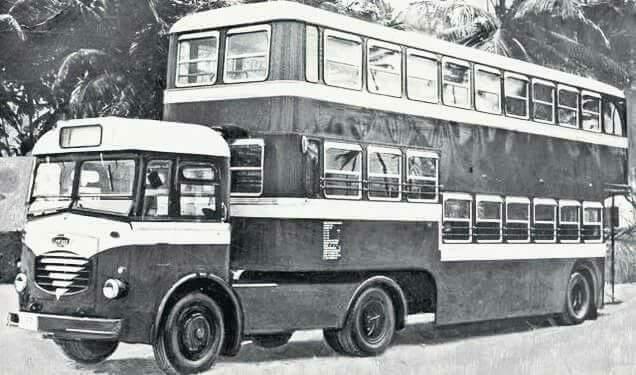
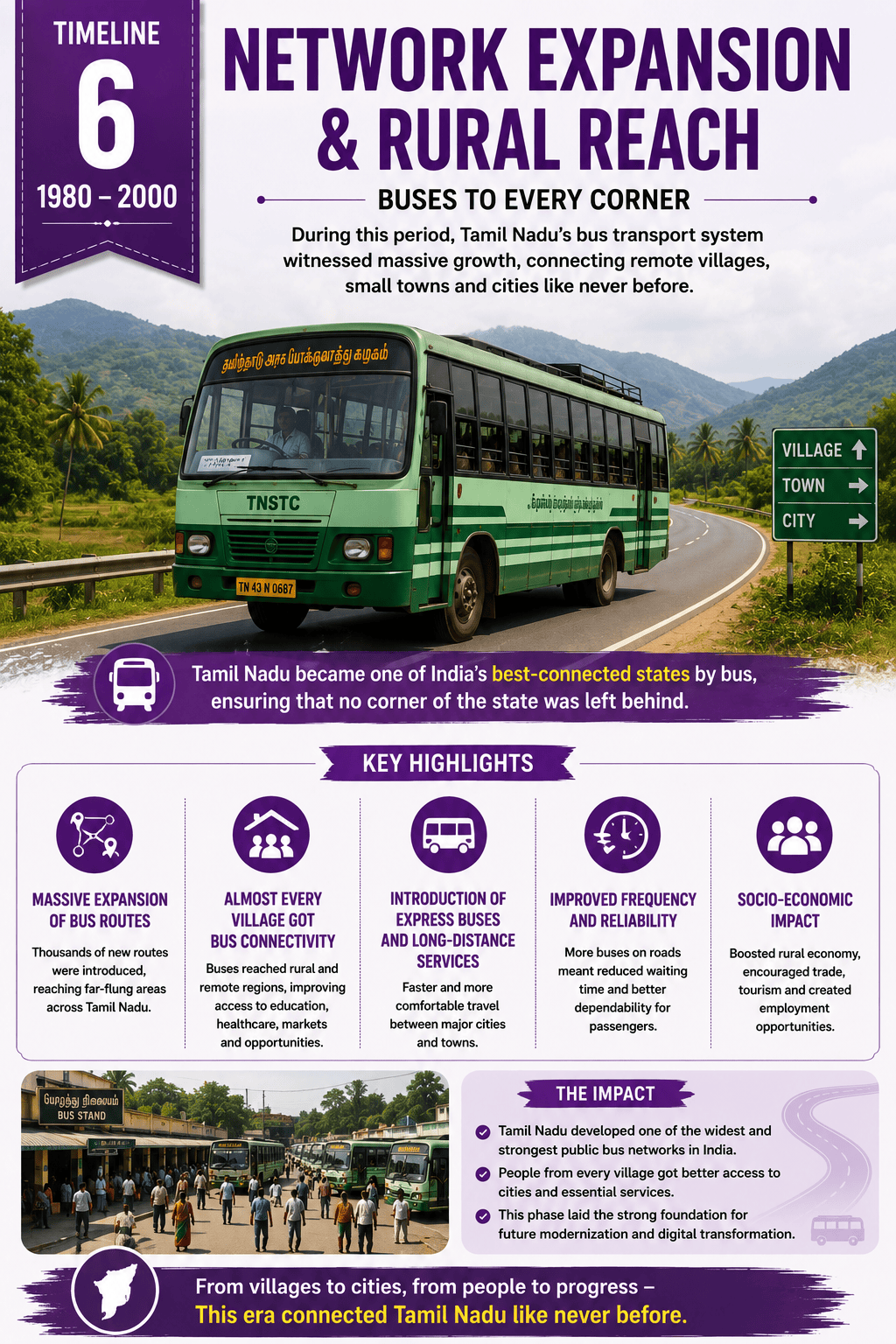
🚌 Network Expansion & Rural Connectivity (1980–2000)
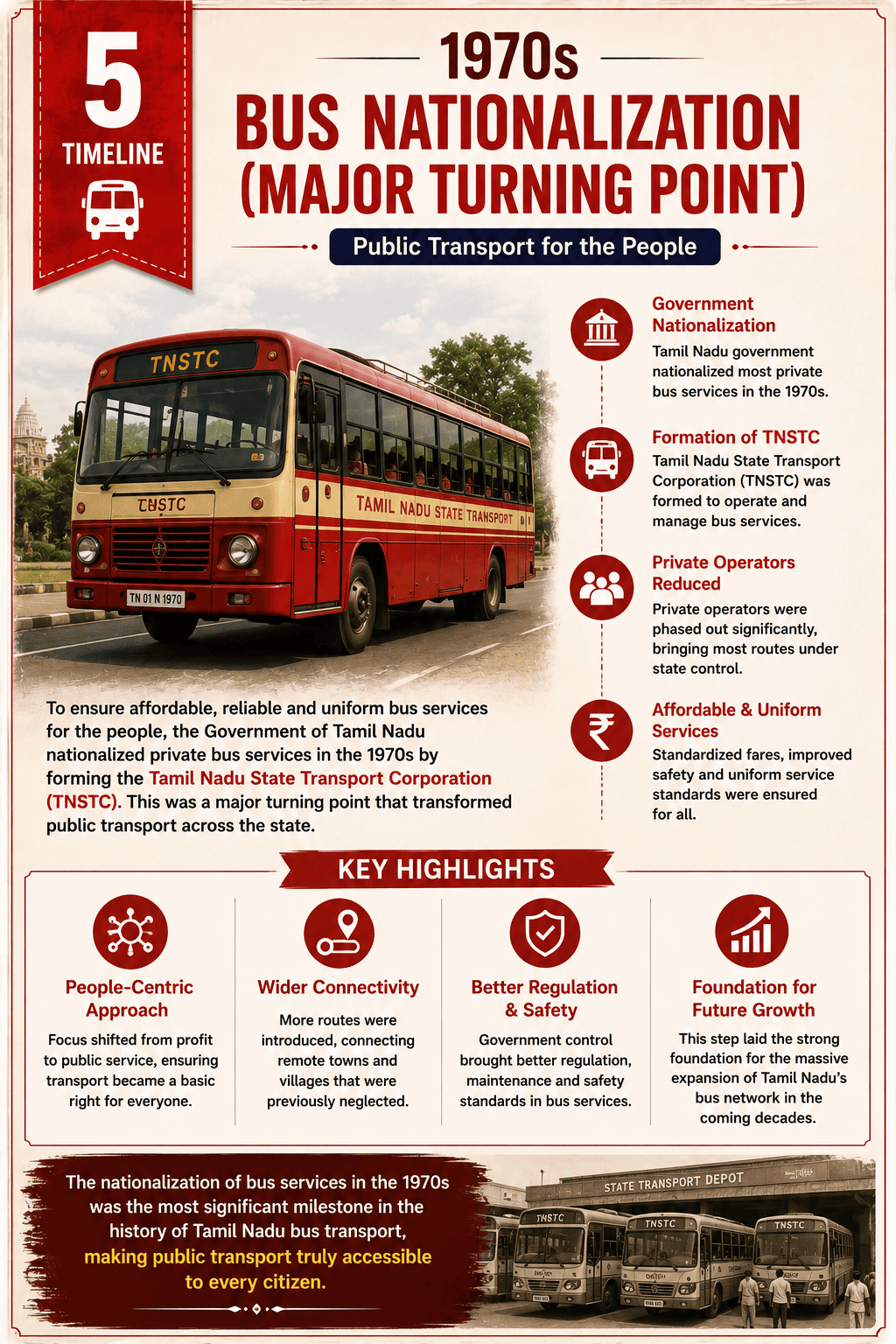
Between 1980 and 2000, Tamil Nadu witnessed a massive expansion of its bus transport network, especially under the Tamil Nadu State Transport Corporation. Bus services reached deep rural areas, connecting even remote villages to towns and cities. This period ensured affordable and accessible transport for all sections of society. With increased routes and frequency, buses became the backbone of daily travel, supporting education, employment, and local economies. This phase played a crucial role in making Tamil Nadu one of the most well-connected states in India.
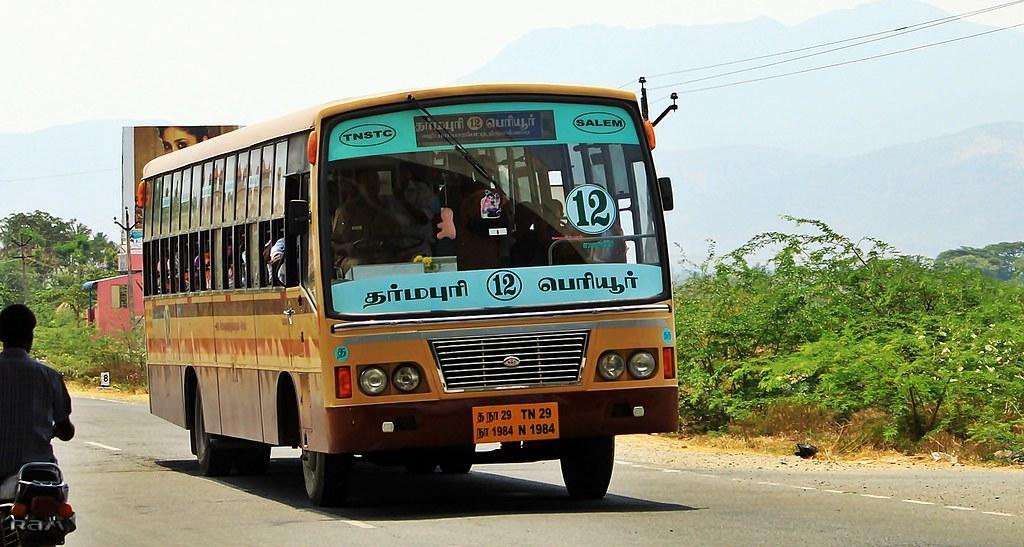
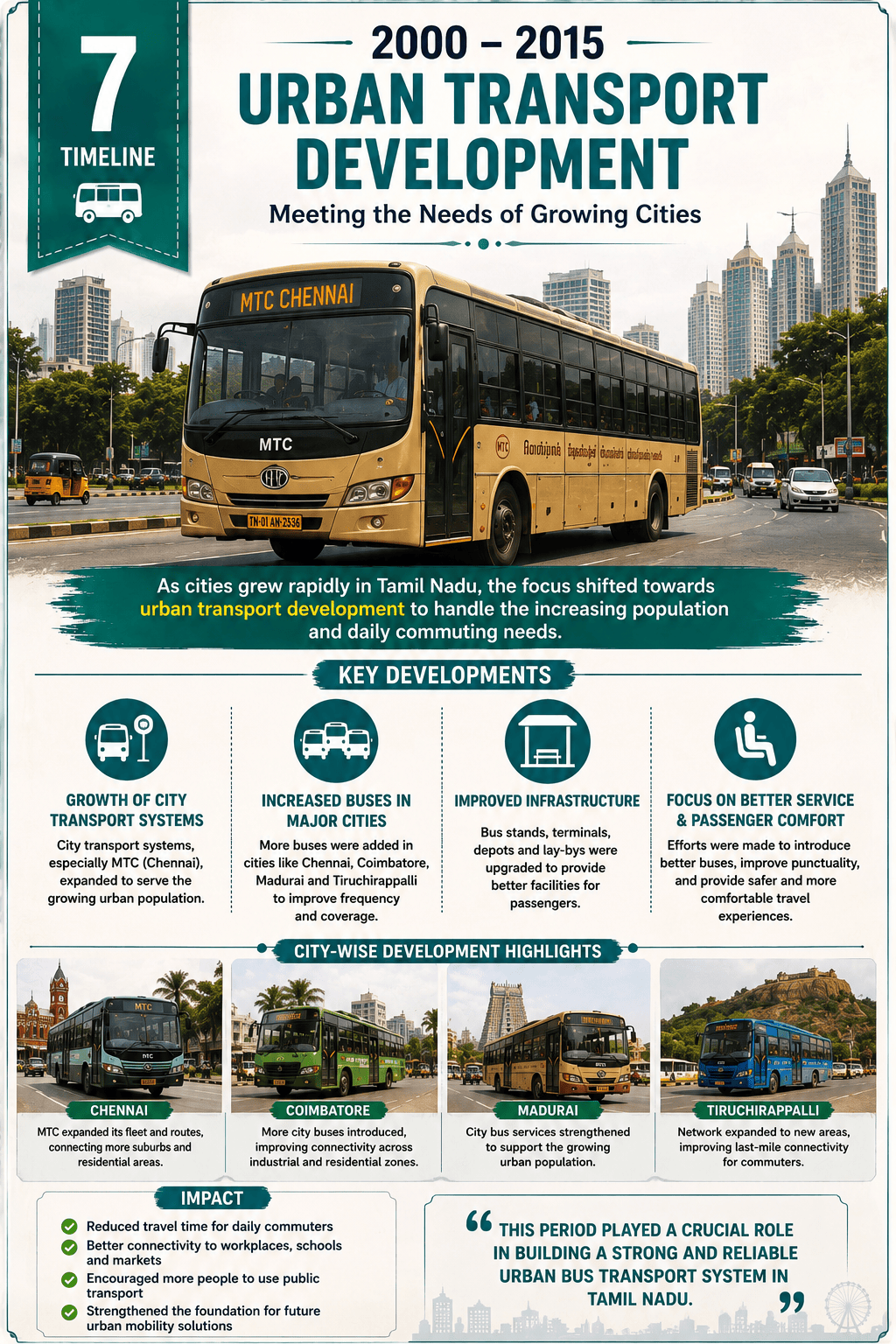
🏙️ Urban Transport Revolution (2000–2015)
Between 2000 and 2015, Tamil Nadu witnessed a major shift toward urban-focused bus transport systems. With rapid city growth, organizations like the expanded services in cities such as Chennai, Coimbatore, and Madurai. The number of buses increased, routes became more structured, and frequency improved to handle rising passenger demand. This period also laid the groundwork for integrated transport solutions, eventually leading to modern systems like metro rail and smarter urban mobility planning across Tamil Nadu.
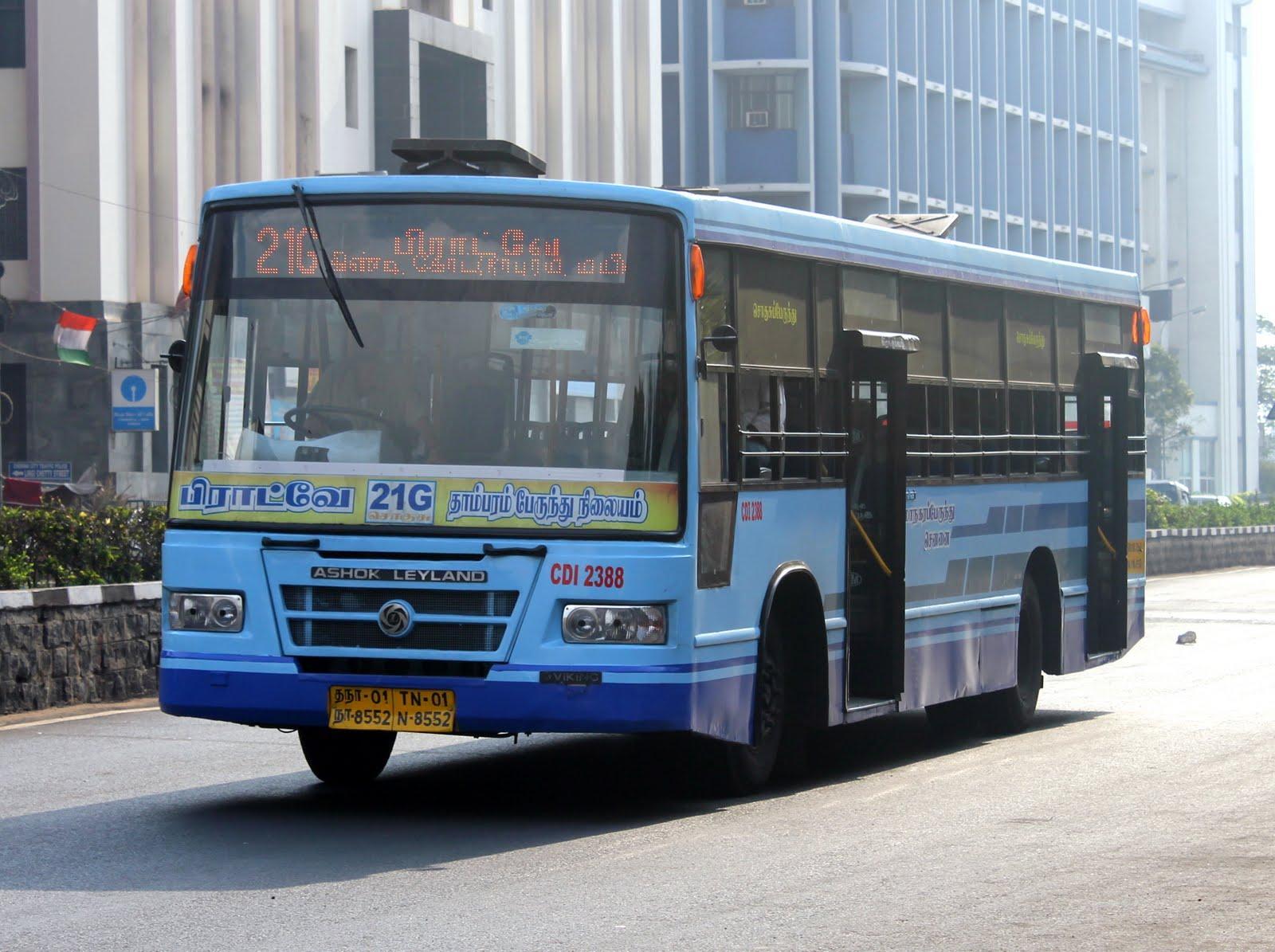
🏙️ Urban Transport Expansion in Tamil Nadu
This marks a phase where Tamil Nadu focused on strengthening city bus transport systems. During this period, organizations like the expanded services in major cities such as Chennai, Coimbatore, and Madurai. The number of buses increased to meet rising urban population demands, reducing congestion and improving daily commuting. This era emphasized frequent services, better route coverage, and city connectivity, making public buses the backbone of urban mobility in Tamil Nadu.
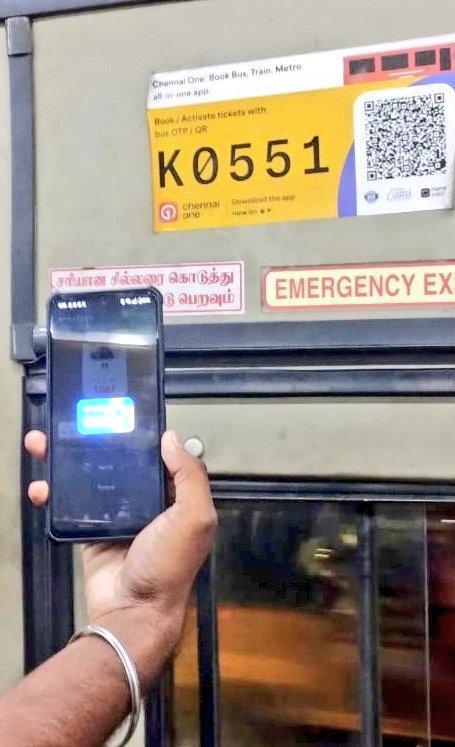
🏙️ Urban Transport Expansion & System Strengthening
Between 2000 and 2015, Tamil Nadu’s bus transport system saw major growth in urban areas. Organizations like expanded city bus fleets to handle increasing population and traffic. More routes, higher frequency, and improved connectivity were introduced in cities like Chennai, Coimbatore, and Madurai. This period focused on reducing congestion and supporting daily commuters. It marked a shift from rural expansion to urban mobility development, laying the groundwork for modern, city-focused public transport systems.
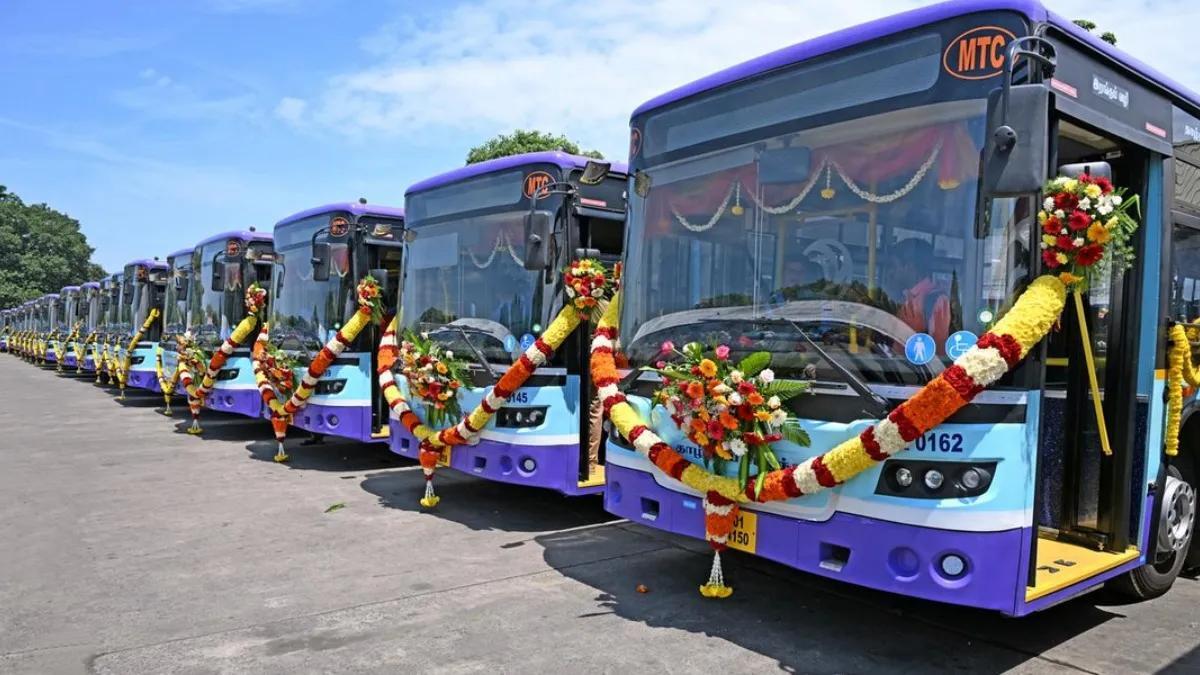
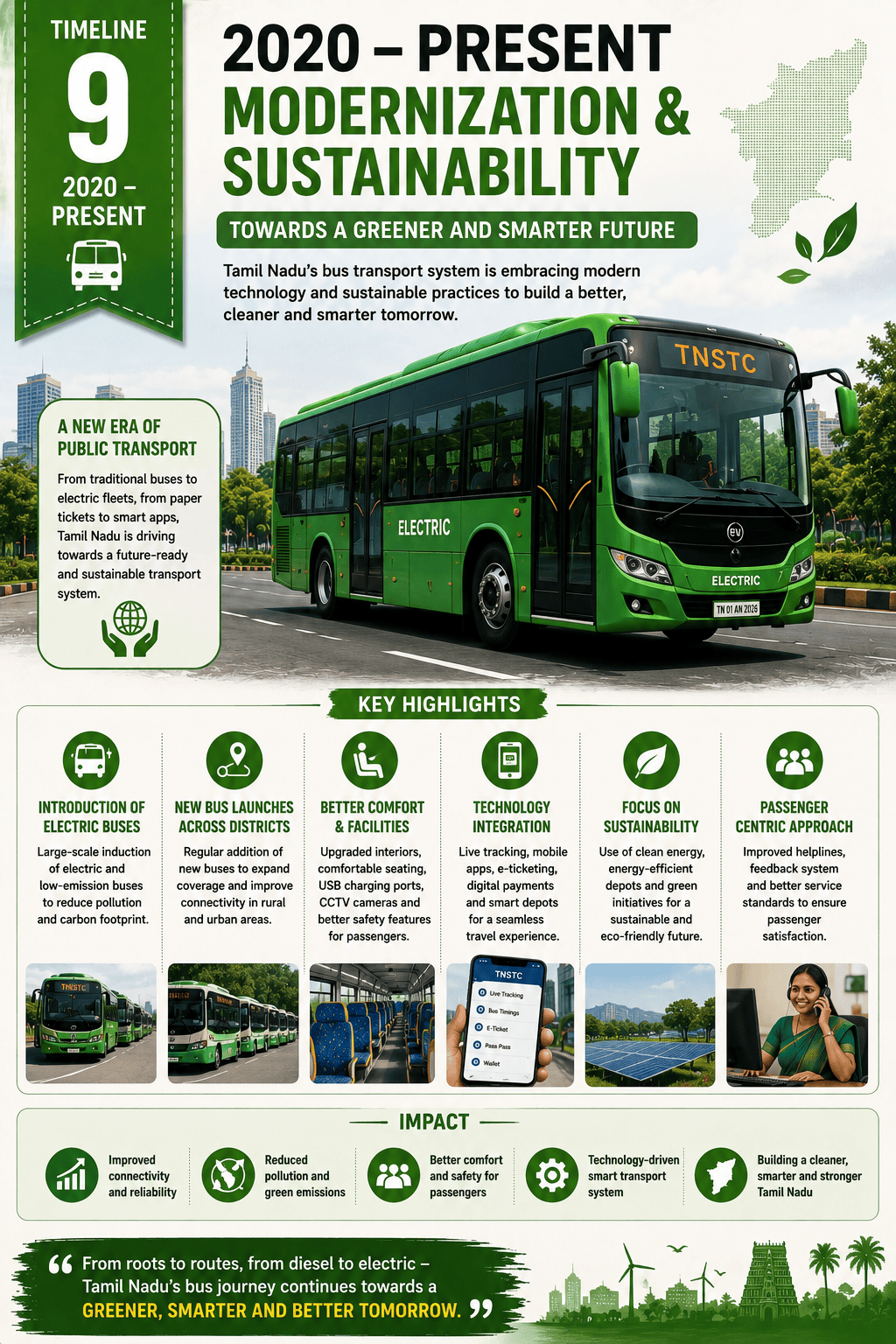
🌱 Modernization & Sustainability (2020–Present)
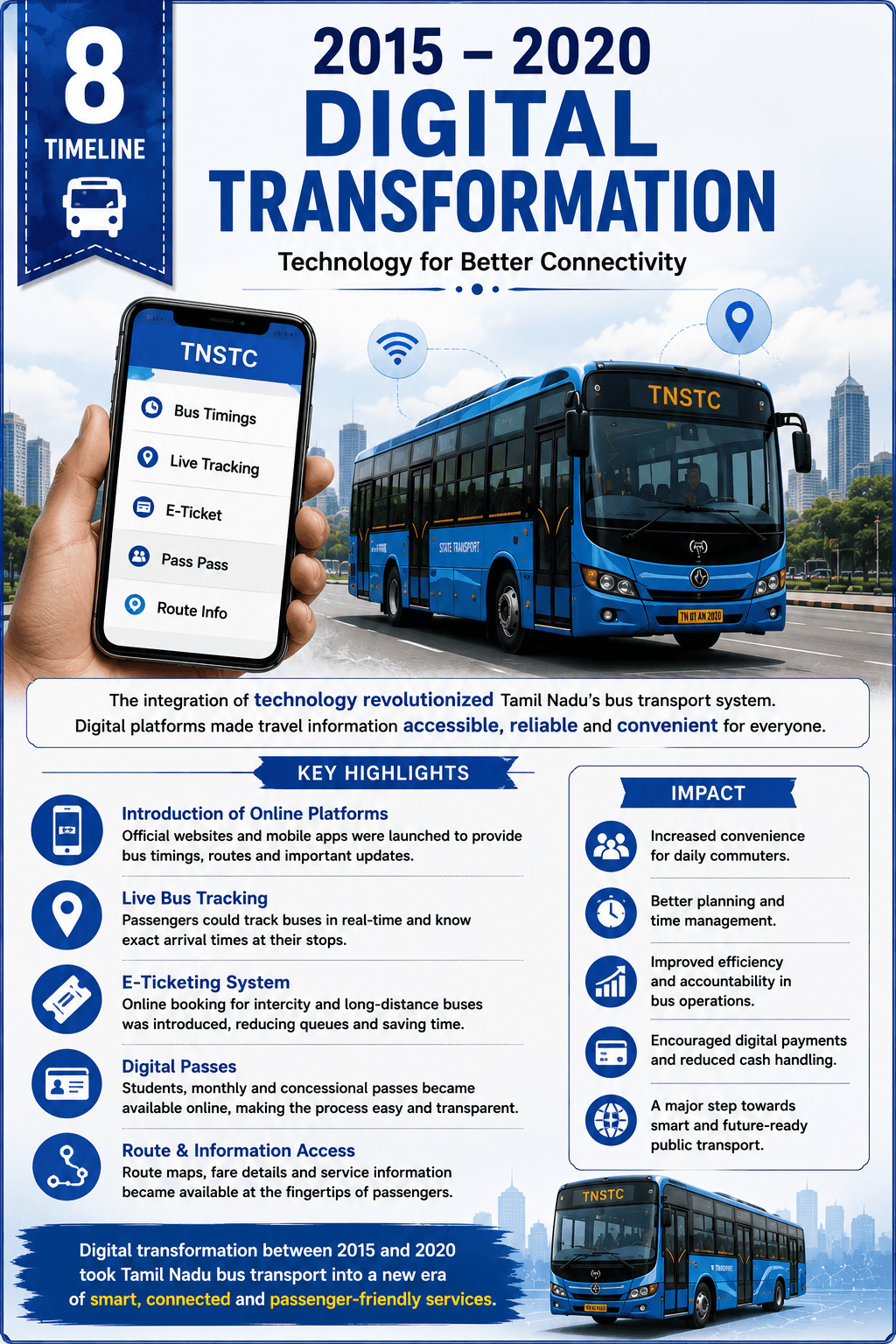
Tamil Nadu’s bus transport system is entering a new era focused on sustainability and technology. The government is introducing electric buses, improving passenger comfort, and integrating digital tools like live tracking and e-ticketing. These changes aim to reduce pollution, enhance efficiency, and provide a smarter travel experience. With continuous upgrades and eco-friendly initiatives, Tamil Nadu is building a cleaner, more reliable, and future-ready public transport system that meets the needs of modern commuters.